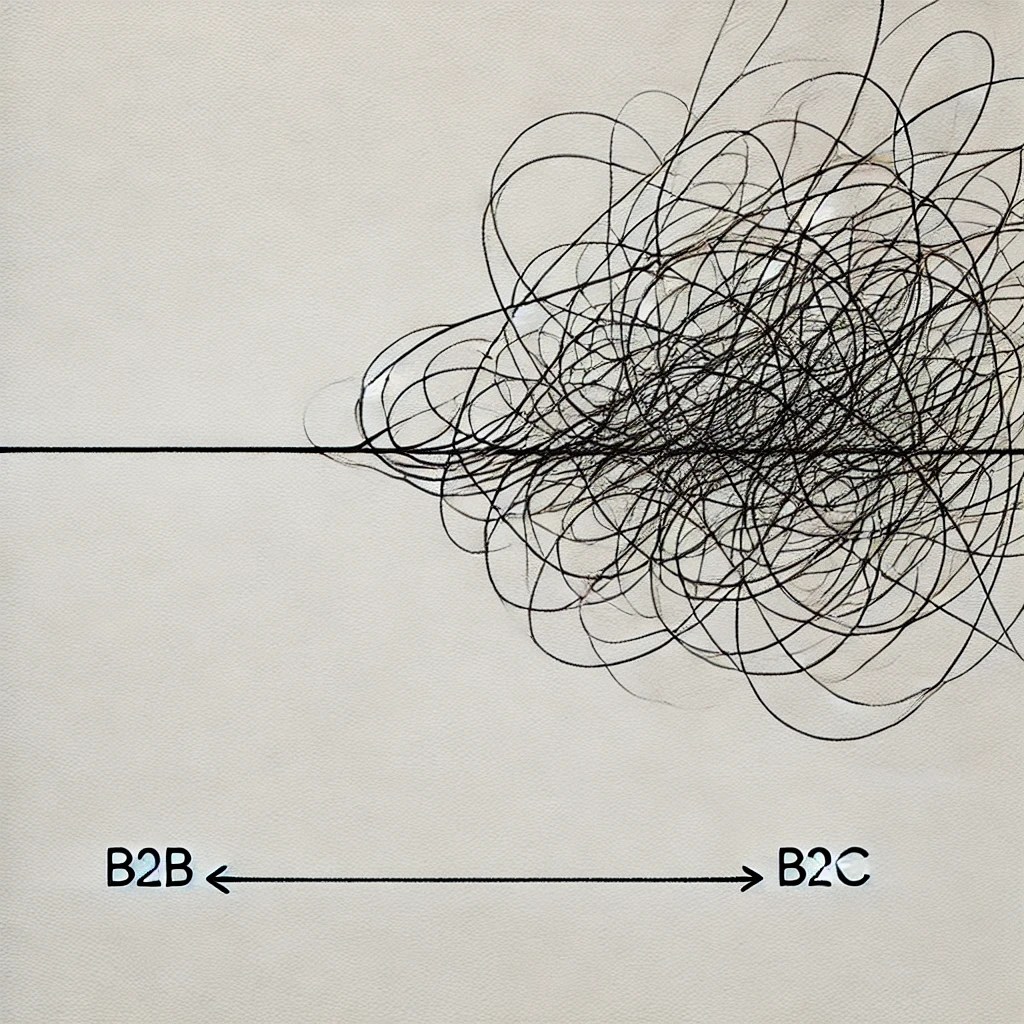
Food is a tough industry to crack. Every founder starts with a dream: a product that will change the market, a brand that will become iconic. But reality hits hard. Distribution, pricing wars, competition—especially the kind that comes from retailers themselves—can make B2C a nightmare.
You see it time and time again. A promising new brand enters retail, full of energy, passion, and mission-driven storytelling. The founders believe they’ve made it. They’ve secured shelf space. They’ve got the Instagram-perfect packaging. Customers love it. But then, the real game begins.
Retailers start asking for more. Promotions, bigger trade spend, deeper discounts. If you don’t comply, you lose visibility. If you do comply, your margins shrink fast. And if your product is truly innovative, prepare yourself for the worst part. The retailer launches a private label version of it. Same category, same shelf, lower price. Your product, but without your name.
This is the cruel cycle of retail. First, brands fight for shelf space. Then, they fight for survival. The initial excitement fades into an exhausting battle of spending more on marketing, lowering prices, and chasing customers who have no real loyalty. They buy what’s on sale, what’s convenient, what catches their eye at that moment.
Some brands push through. They raise huge amounts of capital, go all-in on scaling fast, and buy market share with aggressive advertising. But even then, profitability remains a distant dream. Just look at Beyond Meat. A massive brand, millions spent on marketing, yet still struggling to make money. The question is, do you have the resources to keep fighting that fight?
There is another way. One that doesn’t rely on retail politics, endless discounts, or chasing fickle consumer attention. And that’s B2B.
In B2B, the rules are different. You’re selling to professionals—bakers, chefs, manufacturers—people who care about quality, consistency, and functionality. They don’t switch products every week based on discounts. They don’t need influencer marketing to be convinced. They need a product that works, delivers results, and fits their operations.
Instead of fighting for shelf space, you build relationships. Instead of spending millions on marketing, you create trust. Orders are bigger, customers stick around longer, and price wars don’t dictate your survival.
This is why smart food brands start in B2B. Oatly did it. They built credibility in coffee shops before ever hitting supermarkets. Impossible Foods focused on restaurants first. Winning in B2B first means that when the time is right to enter B2C, you do it from a position of strength. You already have a customer base, a proven product, and the resources to play the game on your terms.
The retail strategy, if you ever go there, needs to be intentional. Do you go wide, pushing into as many stores as possible, knowing the risks of overextension? Do you stay selective, working only with premium retailers who align with your brand? Or do you let retailers take over completely and go private label, sacrificing branding for volume? Each path has consequences, plan your future and be prepared.
There’s a pattern that repeats itself again and again in food innovation. A new trend emerges. Brands jump in, supported by PR, marketing, and promotions. Then, retailers and competitors flood the market with copycats, leading to price wars. Margins disappear, shelves get cleaned up, and only one or two brands survive—if they’re lucky. The rest? Forgotten.
At Be Better My Friend, we made a deliberate choice: we’re not playing the B2C game. We focus on B2B. We serve the artisans, the semi-industrial bakers, the pastry chefs, and caterers who care about quality and sustainability. We build real demand, real relationships, and a business that isn’t at the mercy of retailers’ decisions.
So, if you’re building a food brand, ask yourself: Do you want to be famous? Or do you want to be profitable? Because the brands that last and that make an impact, start in B2B.
I am curious to hear your perspective.

 BETTER BRAND
Leave a comment