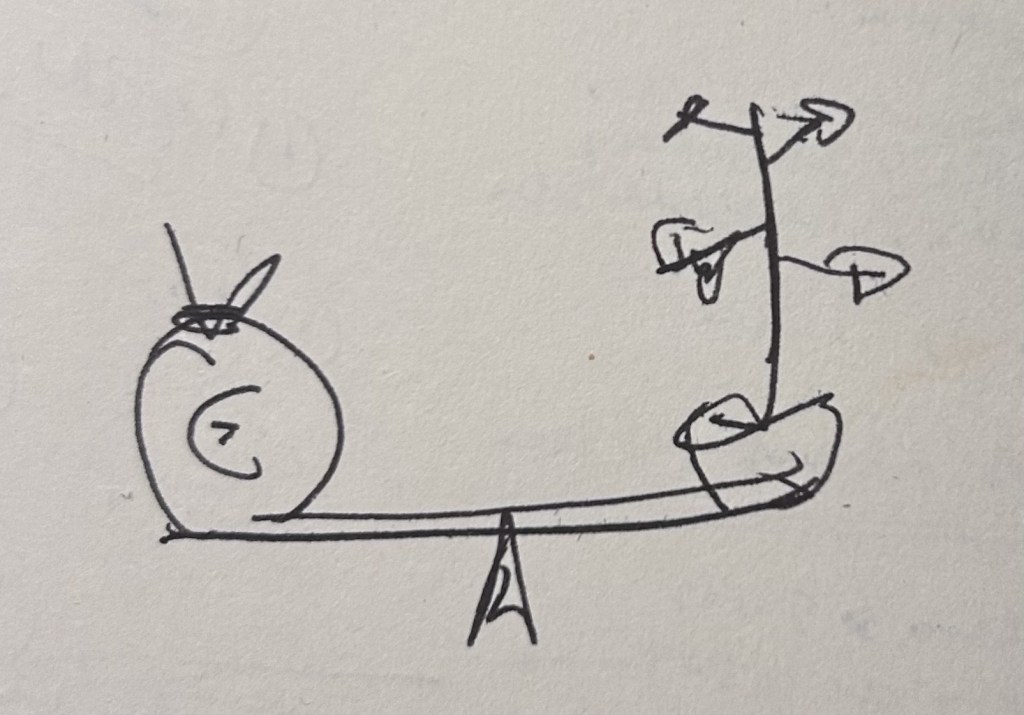
Be Better My Friend is nearly three years into its journey to rethink pastry without dairy. From the start, we’ve chosen and were forced to do it without investors, relying instead on limited resources and determination. Operating without funding has meant every decision carries weight. With less room for error, we’ve had to focus on what truly matters. The product had to work flawlessly and we needed to be expert on its functionality, taste and market fit. That is why we have been and still are constantly testing Be Better in a wide variety of applications and it turned us into a trusted adviser and Be Better into the plant-based butter chefs could trust as a seamless alternative.
Equally, we had to know our customer deeply. With no budget to serve everybody, we narrowed in on our dream audience: artisan and wholesale bakers, and food innovators who value sustainability without compromise. Through trial and error, we found how to reach and convert them, building trust one connection at a time. Alongside this, we developed a viable route to market, collaborating with distributors who share our mission and are chef-centric. We became good as well in saying no to great opportunities but that would dilute our focus.
This clarity has translated directly into sales. Understanding our product and customer deeply helped us build traction, generate income, and reduce dependency on external funding. Yes, we’ve taken loans and were forced to invest our own money— you need money to make money—but by growing sales and approaching breakeven, we’ve kept control of our decisions. We remain in the driver’s seat, steering the company with intention and focus.
Having no investors has also meant we’ve had to master cost control. In the podcast series Founders, David Senra reflects on Whole Foods CEO John Mackey, who admitted he might not have turned to investors if he’d been more disciplined with expenses early on. This lesson resonates: operating lean forces tough but essential choices that keep a business resilient.
But while frugality sharpens focus, it also exacts a toll. The constant stress of limited funds can slow growth, delay opportunities and impact your motivation. Our ability to scale awareness, support distributors, and develop and launch innovations remains constrained. Staying lean, while valuable in building discipline, risks keeping you small for too long.
The alternative—early investment—comes with its own dangers. The pressure to scale fast can lead to decisions that prioritize short-term gains over long-term stability. Rushed growth can dilute focus and build dependency on external capital, weakening the very foundations of the business. The wrong investment, at the wrong time, can steer a company off course and harm its future.
For us, the answer lies in timing. Investment can be transformative, but only when the foundation is ready. The product must be proven, the market well understood, and the strategy clear. When funding becomes a tool for scaling thoughtfully, not surviving desperately, it can unlock the next stage of growth.
Be Better My Friend has thrived in its early years by starting lean. The clarity we’ve gained from necessity has strengthened our core, showing us what works and what doesn’t. As we look to the future, we remain mindful of the balance between staying grounded in our vision and knowing when it’s time to expand. Frugality has been our greatest teacher, and it will guide us as we decide when—and how—to grow further.
What’s your take—start lean or seek early investment? Share your thoughts in the comments, and if this resonated with you, like and share to keep the conversation going!


 BETTER BRAND
Leave a comment