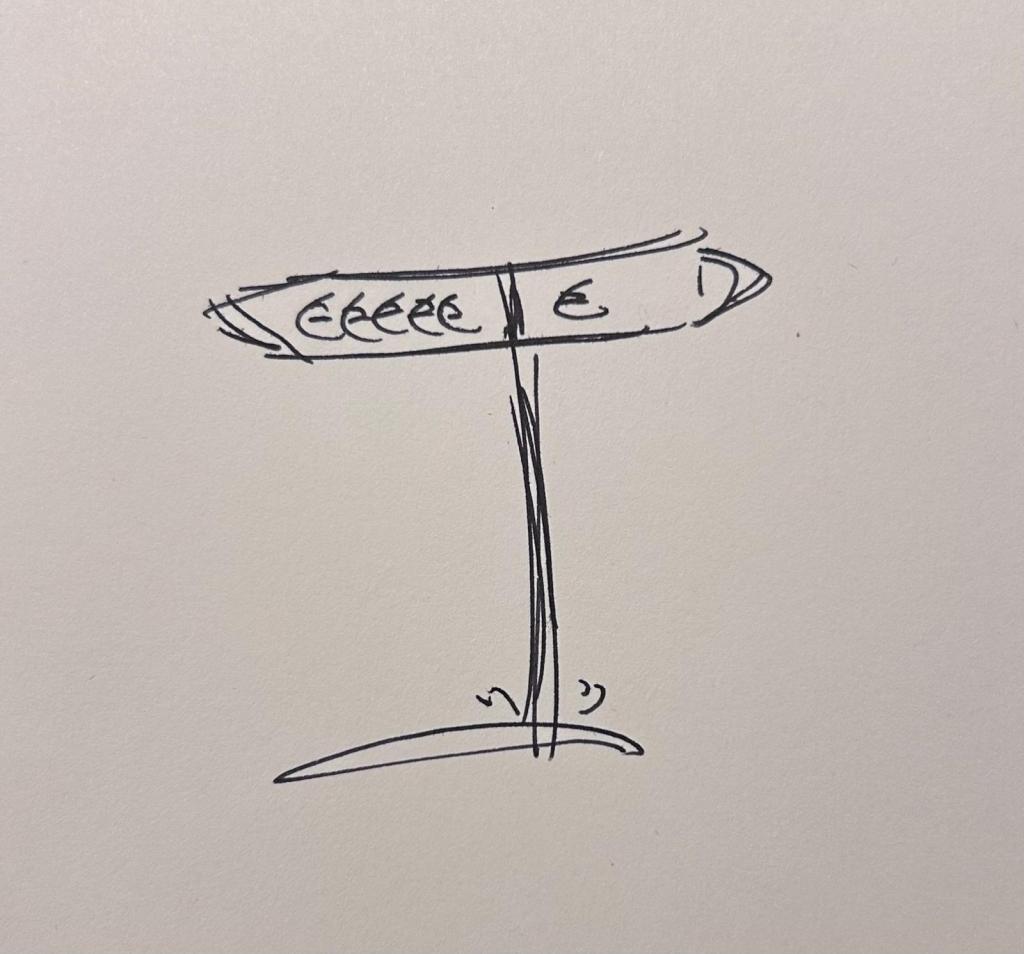
Building a startup is a lot like baking a perfect loaf of bread. You can’t rush it, you need the right ingredients, and, most importantly, you need patience. At Be Better My Friend, we’ve poured our hearts into creating a plant-based butter alternative that chefs and bakers across 16 markets now love. Our distribution model is working. We sold over 150 tons in 2023 and are on track for 150% growth this year. Yet, here we are—still two founders, still without investors, and wondering if we even want one.
Our growth story is unconventional. We didn’t start with a big VC fund or a team of ten. We had what I like to call “the great gift of scarcity.” When you don’t have deep pockets, every euro and every hour demands intentionality. We became razor-focused on our dream customer, our product-market fit, and the routes to market that would deliver results. And while we’ve approached investors, it didn’t result in anything. They admire what we’ve achieved on a shoestring but seems to measure us by tech-company metrics. And we build a financial model full of assumptions that follow that idea And that, to me, I believe now is a fundamental misunderstanding.
Food vs. Tech: A Tale of Two Sectors
Food isn’t tech. While tech races to disrupt, food inches forward, grounded in trust, nostalgia, and long-term relationships. Food isn’t about the latest feature or fast scaling; it’s about memories, connection, and reliability. You can’t “growth-hack” your way into the hearts of chefs or consumers. You convince them, slowly, over time. And while tech investors expect rapid-fire returns and explosive scaling, the food world often needs a slower, more sustainable pace. Precision fermentation, lab grown meat. It all sounds very tech. But aside investors and founders, I am not sure how excited people are when choosing what to eat today.
The truth is, there’s a risk in partnering with the wrong investor. An investor who pushes us to double sales and production before we’re ready could be a liability, not a benefit. They might push for shortcuts that compromise our brand, or force us to expand into markets where we don’t yet have distribution locked down.
So, Where Do We Go from Here?
Perhaps, rather than conventional VCs, it’s time to look toward angel investors who get food. Angels with deep networks, a respect for slow growth, and an understanding of what it takes to win in food. They could offer not just capital but connections in distribution, which is exactly what we need to grow responsibly.
Or maybe we skip investors altogether and consider a loan. We’re on the verge of breaking even, which gives us flexibility. A loan keeps us in control and focused on steady, manageable growth.
The Future of Startups: Sustainable Growth or Bust?
Perhaps the next generation of startups won’t be defined by how fast they grow, but by how well they last. In food, slow growth isn’t a flaw; it’s a foundation. With or without investors, our path forward is clear: stay true to our pace, our vision, and our customers. And this means building it brick by brick, chef by chef. At the end of the day, we’re here to create something lasting—no shortcuts, just solid, sustainable growth.
If you’re navigating your own startup journey or just curious about the ups, downs, and hard truths of building a business from scratch, follow along. Share this post with anyone who’s thinking about going their own way—and drop a comment with your thoughts on growth, grit, and finding the right path forward.



 BETTER BRAND
Leave a comment